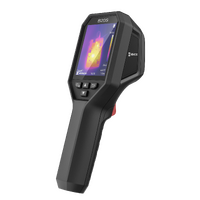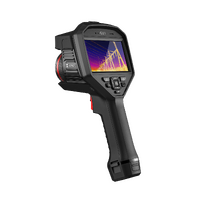
Infrared Cameras
Infrared Cameras
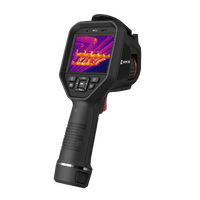
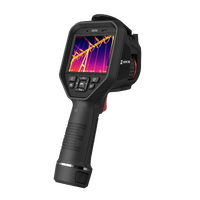
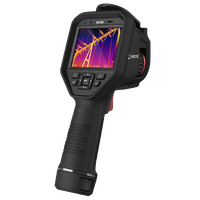
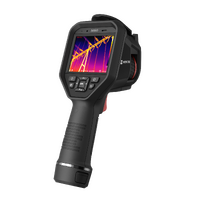
Infrared cameras, also known as IR cameras, detect invisible heat signatures and convert them into visual images. This makes them invaluable for electricians, builders, plumbers and industrial maintenance teams who need to find problems that the naked eye cannot see.
Applications
- Electrical inspections: Identify overheating components and faulty connections.
- Building diagnostics: Detect insulation failures, roof leaks and air infiltration.
- Industrial monitoring: Track machinery performance and prevent downtime.
Why Buy from Testrix?
As Australia’s trusted supplier of HIKMICRO infrared cameras, Testrix provides expert guidance, competitive pricing and local support for all IR applications.
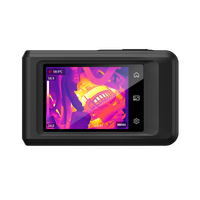
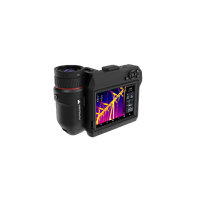
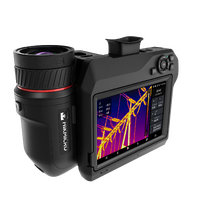
See our Entry-Level Thermal Cameras or High-Resolution Thermal Cameras for more options.
FAQ's
What is an infrared camera used for?
Infrared cameras (also called thermal or IR cameras) are used to detect heat that the human eye can’t see and turn it into a clear, visual image. In practice, that means you can quickly spot problems like overheating switchboards, loose electrical connections, insulation gaps, water leaks, failing bearings, or overloaded circuits before they become expensive breakdowns.
For electricians, builders, plumbers and industrial maintenance teams, an IR camera becomes a fast, non-contact way to diagnose faults, verify repairs and document work for clients and compliance. When you’re on site and time matters, having a reliable infrared camera from Testrix can turn guesswork into confident decisions.
What does infrared do on a camera?
On an infrared camera, the sensor is tuned to measure infrared radiation – the natural heat energy emitted by objects. Instead of capturing visible light like a standard camera, an IR camera converts tiny differences in surface temperature into a thermal image, often shown as a colour palette.
Hotter areas might appear white, yellow or red, while cooler areas show as blue, purple or black. This makes it easy to:
- Pinpoint hotspots on electrical panels and cabling
- Highlight missing or damaged insulation in walls and ceilings
- Check underfloor heating or pipework for blockages or leaks
- Monitor motors, pumps and machinery for early signs of failure
With the right HIKMICRO infrared camera from Testrix, you can also store images, add temperature readings and generate professional reports – so you not only see the problem, you can clearly show it to your customers and team.
Can an infrared camera see through walls?
This is one of the most common questions and the short answer is no, an infrared camera cannot see through solid walls. What it can do is detect temperature differences on the surface of a wall or ceiling.
That means you can often infer what’s happening behind the wall, such as:
- Hidden moisture problems causing cold patches
- Insulation voids that allow heat to escape
- Overheating cables or junction boxes that warm up the surrounding surface
So while the camera doesn’t “see through” brick, plasterboard or concrete, it does give you crucial clues about what’s going on underneath. Used correctly, this helps you narrow down fault locations, reduce unnecessary damage, and work faster and more accurately on every job.