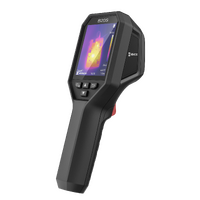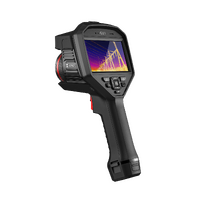
Thermal Imaging Cameras for Sale in Australia
What are Thermal Imaging Cameras?
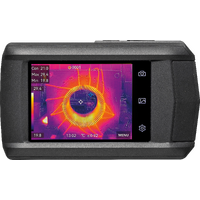
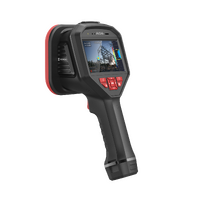
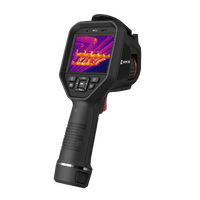
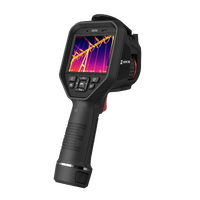
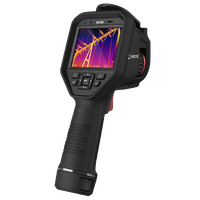
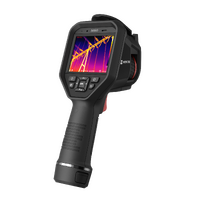
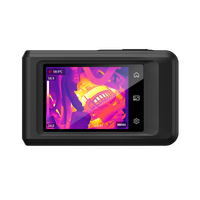
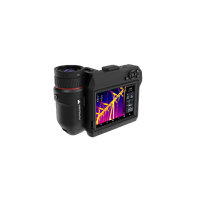
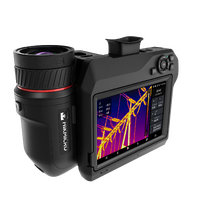
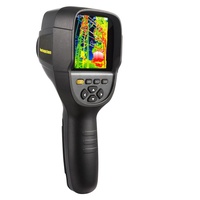
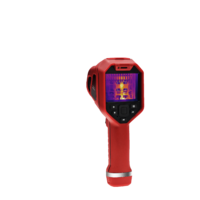
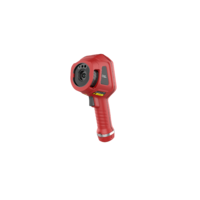
Thermal imaging cameras, also called infrared cameras, IR cameras or thermographic cameras, allow professionals to see temperature differences across surfaces and equipment. This makes them essential for inspections, diagnostics, and preventative maintenance. At Testrix, we supply the full range of HIKMICRO thermal cameras in Australia—covering entry-level units for trades, advanced high-resolution models, and industrial-grade systems for heavy-duty use.
Why Use Thermal Imaging?
Thermal cameras help identify issues that cannot be seen with the naked eye. By detecting hot spots, insulation faults or leaks, they prevent downtime, improve safety, and cut maintenance costs. Common applications include:
- Electrical inspections: Find overheating switchboards, breakers, or cabling.
- Building diagnostics: Locate insulation gaps, air leakage and water damage.
- HVAC service: Monitor heating, cooling and refrigeration efficiency.
- Industrial maintenance: Prevent equipment failures in plants and utilities.
Our Thermal Imaging Range
We offer sub-categories to help you find the right solution:
- Entry Level Thermal Cameras – simple, affordable cameras for trades and general inspections.
- High Resolution Thermal Cameras – advanced models with sharp image detail and sensitivity.
- Building & Electrical Thermal Cameras – tailored for contractors, inspectors, and electricians.
- Industrial Thermal Cameras – heavy-duty cameras for factories, mining, and utilities.
- Acoustic Leak Detection Cameras – detect leaks and electrical discharge with ultrasonic imaging.
Trusted by Professionals
HIKMICRO thermal cameras are used across Australia by electricians, building inspectors, HVAC technicians, councils and industrial maintenance teams. All units supplied by Testrix include local advice, support, and training to ensure you get the best from your investment.
Browse our full thermal imaging camera category to find the right solution for your business.
FAQ's
Can a thermal camera detect water leaks?
Yes, thermal imaging cameras are one of the most effective tools for finding water leaks without cutting walls, lifting floors or guessing. While a thermal camera can’t “see” water directly, it can detect the temperature changes caused by moisture.
When water seeps into walls, ceilings or floors, it often creates cooler (or sometimes warmer) patches compared to the surrounding dry material. A quality thermal camera will show these differences as distinct patterns on the screen, helping you:
- Track hidden roof leaks before they damage plaster and insulation
- Locate moisture behind tiles, cladding or paintwork
- Confirm if a previous leak has fully dried after repairs
- Reduce unnecessary demolition and speed up diagnostics
Browse our range of thermal imaging cameras and find the best option for your needs. We provide advice, support and training. You’ll quickly turn difficult leak investigations into repeatable, billable work.
What are thermal imaging cameras used for?
Thermal imaging cameras are used wherever you need to see temperature differences that the human eye can’t detect. That’s why they’ve become a must-have tool for:
- Electrical inspections – Identify overloaded breakers, loose connections and overheating components before they fail.
- Building diagnostics – Reveal insulation gaps, air leakage, damp areas and thermal bridges in walls, ceilings and roofs.
- HVAC and refrigeration – Check airflow, duct losses, blocked coils and uneven temperatures in heating and cooling systems.
- Industrial maintenance – Monitor motors, bearings, pumps, conveyors and switchgear to detect issues early and avoid unplanned downtime.
- Energy audits and compliance – Provide visual proof of performance improvements and identify areas where energy is being wasted.
Because thermal images are so easy to interpret, they’re also powerful in client reporting. A single thermal snapshot from a HIKMICRO camera can clearly show a customer where the problem is and why it needs attention now – helping you win trust, justify quotes and grow repeat business.
What is the difference between a thermal camera and an infrared camera?
In practice, thermal imaging cameras and infrared (IR) cameras refer to the same technology in most professional contexts. Both terms describe cameras that measure infrared radiation (heat) and convert it into a thermal image.
You may see different names used, such as:
- Thermal imaging camera
- Infrared camera / IR camera
- Thermographic camera
All of these are talking about equipment that displays temperature patterns across a surface. The key differences usually lie not in the name, but in the specifications and applications, such as:
- Resolution – how detailed the thermal image appears
- Temperature range – what minimum and maximum temperatures can be measured
- Thermal sensitivity – how small a temperature difference the camera can pick up
- Lens options – wide-angle for building work vs telephoto for high or distant targets
At Testrix, we simplify this by clearly grouping our Thermal Imaging Cameras into sub-categories: Entry Level, High Resolution, Building & Electrical, Industrial and Acoustic Leak Detection – so you can quickly match the right HIKMICRO model to your trade, industry and budget.
Do cheap thermal cameras work?
“Cheap” thermal cameras can work for very basic checks, but they often come with trade-offs that matter once you start using them on real jobs. Lower-cost units may have:
- Reduced thermal resolution, making it harder to see fine detail
- Lower thermal sensitivity, so small but important temperature differences are missed
- Limited temperature range, unsuitable for high-temperature industrial environments
- Basic software and reporting, which slows down your workflow
If you’re just experimenting with thermal imaging, an entry-level camera can be a smart starting point – as long as it’s from a reputable brand with proper support. That’s why Testrix focuses on HIKMICRO entry-level thermal cameras that deliver reliable performance, accurate readings and solid build quality at an accessible price.
When the goal is professional inspections, paid reporting and preventative maintenance, investing a little more in a high-resolution or industrial-grade thermal camera usually pays for itself quickly through reduced call-backs, faster diagnostics and more confident decision making.
If you’re unsure where the balance between cost and performance should sit for your work, our team can walk you through the options and recommend a model that will grow with your business, not hold it back.